2nd floor 209 Gokulam Arcade, Sarthana Jakat Naka, Surat, Gujarat 395013

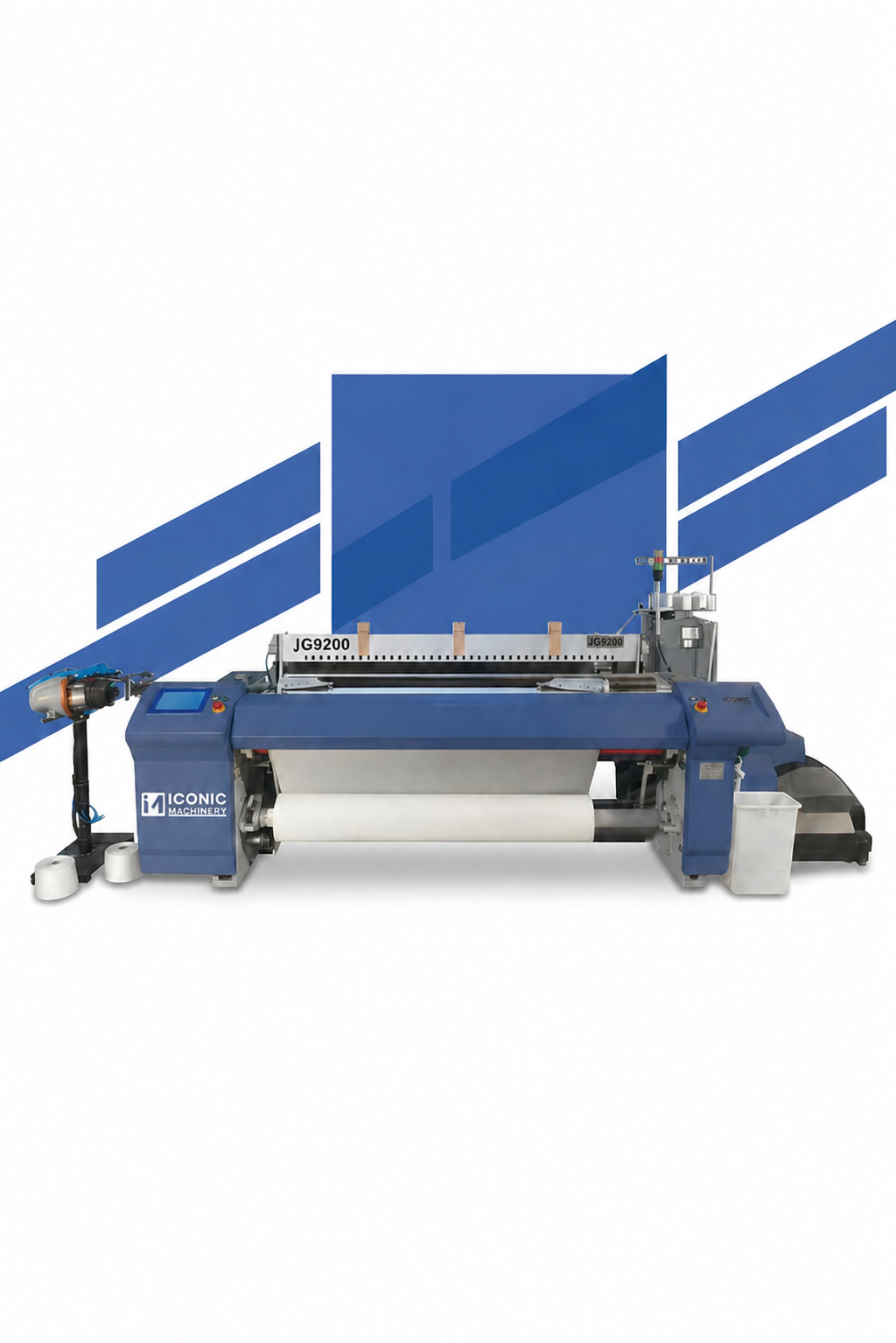
Rapier Jacquard Loom
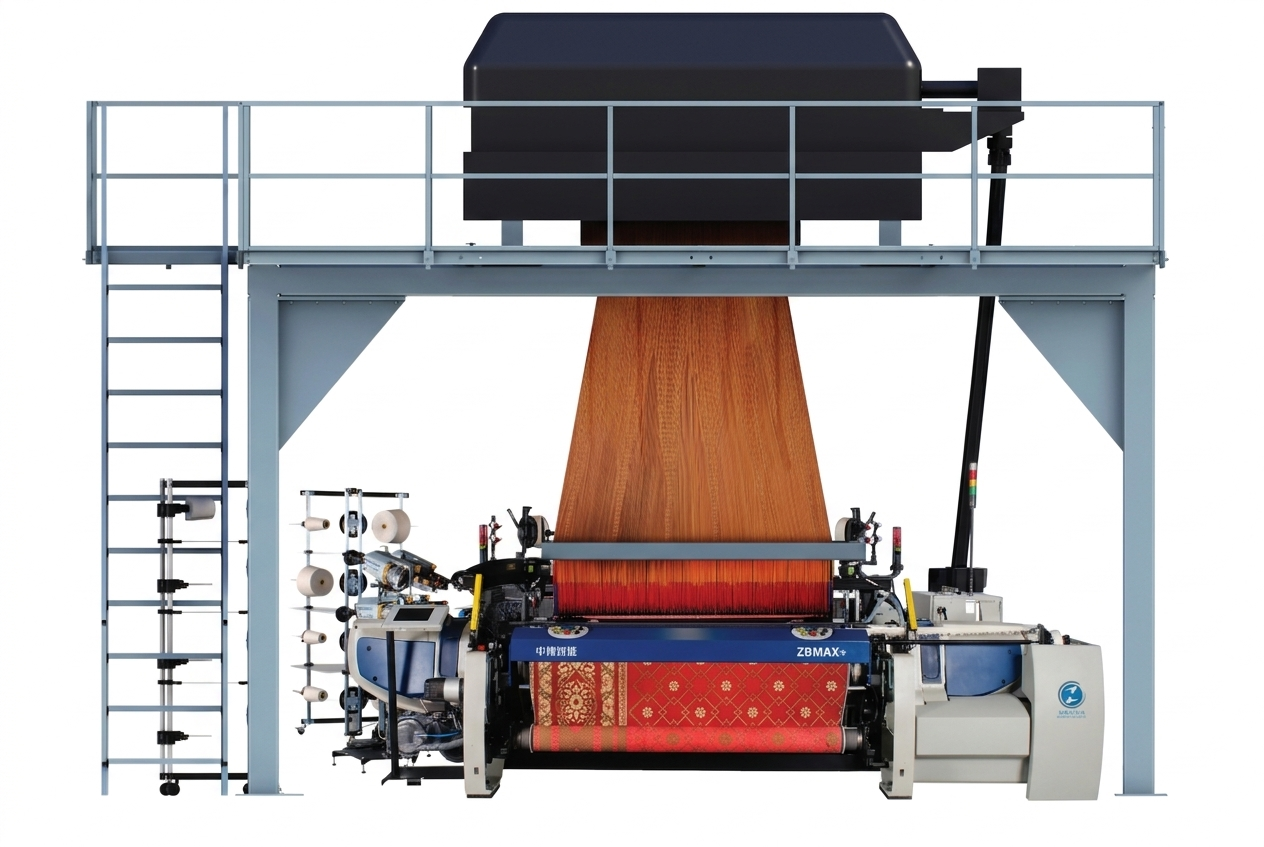
Chengxiang ZBMAX+ — High-Speed Rapier Jacquard Loom
Speed: 250–350 RPM (Economic)
150 Nm Super Motor
Weft Density: 3–200 Picks/cm
32-bit CPU Intelligent Control
Servo Take-Up & Let-Off
Electronic Jacquard Shedding
Technical Specifications — ZBMAX+
| Parameter | Specification |
|---|---|
| Reed Width | ZBMAX+ (multiple widths available) |
| Weaving Speed | Economic speed 250–350 RPM |
| Power / Motor | Super motor with rated torque of 150 Nm |
| Transmission Mode | Vertical shaft independent transmission |
| Weft Insertion Mode | Suspension guide hook method & Free flight weft insertion method |
| Shedding Mechanism | Electronic jacquard faucet opening — convenient and fast pattern change; compatible with any number of needles |
| Take-Up | Servo electronic coiling — cloth diameter in machine: ⌀600 mm |
| Let-Off | Servo electronic let-off — disc diameter: ⌀800 mm & ⌀1000 mm |
| Weft Selector | Stepper motor controlled high-speed rotary electronic weft selector |
| Selvage Mode | Stepper motor controls independent edge twisting mechanism |
| Weaving Yarn | Cotton: 3–80s | Chemical fibre staple yarn: 5tex–1000tex | Chemical fibre filament: 10D–3300D |
| Weft Density | 3–200 picks/cm |
Key Technology Features
1
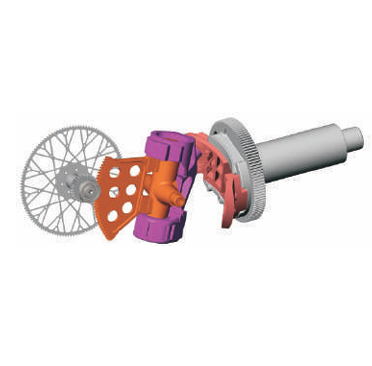
Weft Insertion System
The space four-link mechanism optimizes the dynamic balance of the weft insertion mechanism, reduces the moment of inertia, ensures high-speed performance, and greatly enhances its reliability, stability, and service life. Two ways to insert the weft:
Suspension Guide Hook Method: Suspension guide hook shuttle, left side weft insertion, middle handover, small opening and small rapier head make the weaving speed unprecedentedly improved.
Free Flight Method: Velvet shuttle designed for weaving fine fabrics — can weave a variety of wefts and greatly avoids warp damage.
2
Driving Way
The super motor is directly driven to achieve strong starting, braking, and slow action of the loom. It can be used for variable speed weaving to achieve the purpose of energy saving and emission reduction — giving operators full flexibility over weaving pace without mechanical compromise.
3
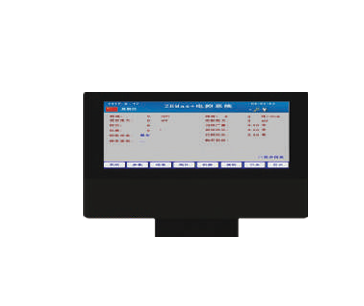
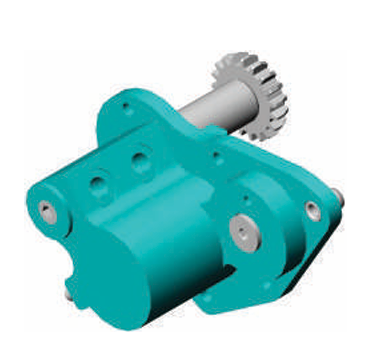
Panel System
Optical fibre communication is used between the main servo and the main control board, which has fast transmission continuity and strong interference resistance. The whole machine adopts a 32-bit CPL scattered computer intelligent control system covering:
- Warp breaking, weft breaking, empty weft detection
- Weft insertion positioning and stopping
- Automatic quality measurement and fault display
- Sensitive white line statistics
- Online / cloud monitoring capability
4
Weft Finding System
Two ways to find the weft: 1. Electric weft finding | 2. Hydraulic weft finding.
The main engine and the dobby are separated from each other during weft finding, and the dobby movement is directly driven by the main motor. This accurate action ensures the fabric does not appear wrong — eliminating traces of driving, reducing failure sources, reducing the failure rate, and improving overall weaving efficiency.
For wide jacquard machines, the principle of forward and slow reverse homing is adopted for precise positioning.
5
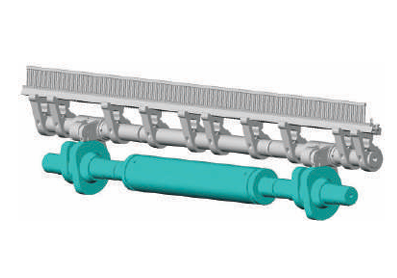
Beating Mechanism
The high-speed conjugate cam beating mechanism is adopted on both sides of the middle part of the fuselage. The beating is strong and powerful, the movement is stable, the deformation of the beating weft axis is small, and the cloth style of the fabric is excellent — ensuring uniform pick density and consistent fabric structure at high speed.
6
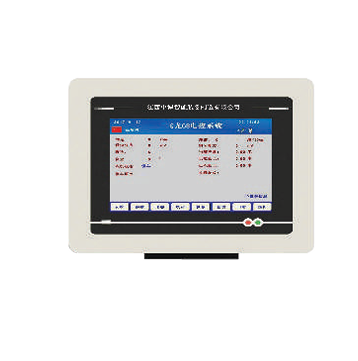
Electronic Control System
The control system is intelligent, information-based, and networked. A 32-bit CPU motherboard with embedded software is used for fast acquisition and monitoring — offering three core advantages:
Best Cloth Quality: Digital control positioning stop/start; intelligent automatic weft finding; automatic compensation for warp and weft breakage. The unique function of all heald frames returning to flat position during warp/weft breakage plays a decisive role in solving parking gear issues.
Fastest Fault Detection: Intelligently displays the fault, can accurately judge the cause of the fault, and provides a detection plan.
Most Convenient Management: Automatically counts output and total output of four shifts, realizes group control network management, and enables quick variety changes.
7
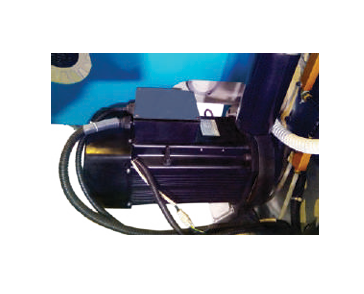
Driving System
Directly driven by a switched reluctance motor with a simple structure and a very low failure rate. The speed can be adjusted at will — providing complete flexibility for operators to match weaving speed to yarn type, fabric complexity, and production requirements.
8
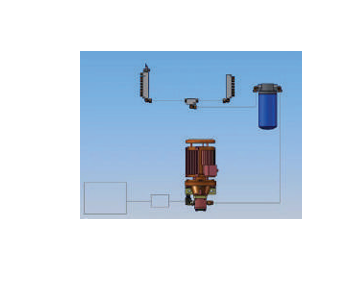
Lubrication System
The closed forced circulation lubrication system of the independent oil pump motor lubricates all components before the main engine starts operation. This ensures all moving parts receive reliable and consistent lubrication from the very first cycle.
The system includes an alarm function for insufficient oil level and insufficient oil pressure — protecting the machine and ensuring safe, uninterrupted operation across long production runs.
9
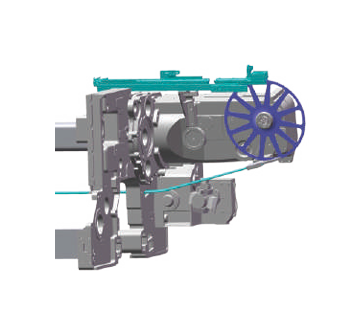
U-Shaped Rapier Magazine
The U-shaped rapier magazine improves the meshing degree between the rapier wheel and the rapier belt, and increases the angle of the rapier belt — significantly extending the service life of both the rapier belt and the rapier wheel. This directly reduces consumable replacement frequency and maintenance downtime.
Rapier Jacquard Loom Manufacturer, Supplier & Trader in Surat
Iconic Machinery is a trusted provider of advanced Rapier Jacquard Loom Machines in Surat, delivering innovative weaving solutions for textile manufacturers seeking superior fabric quality, higher productivity, and efficient production processes. Our technologically advanced looms are engineered to handle complex patterns, intricate fabric designs, and demanding industrial weaving applications with exceptional precision.
Rapier Jacquard Loom Manufacturer in Surat
Iconic Machinery is a leading Rapier Jacquard Loom Manufacturer in Surat, offering high-performance textile machinery designed to meet the evolving demands of modern weaving industries. Our Rapier Jacquard Looms are equipped with advanced electronic jacquard systems, intelligent control technology, and precision-engineered components that ensure superior weaving accuracy and consistent fabric quality.
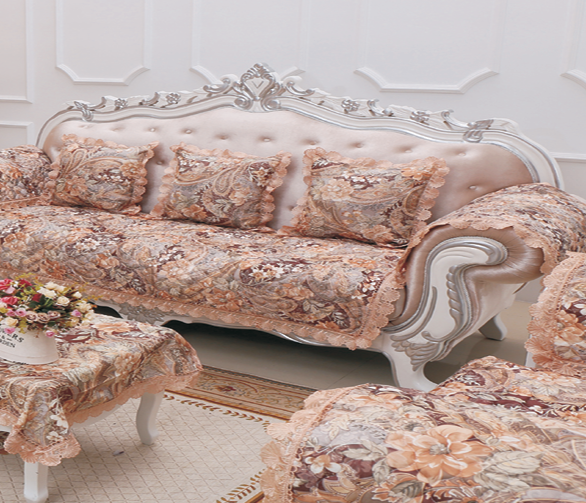
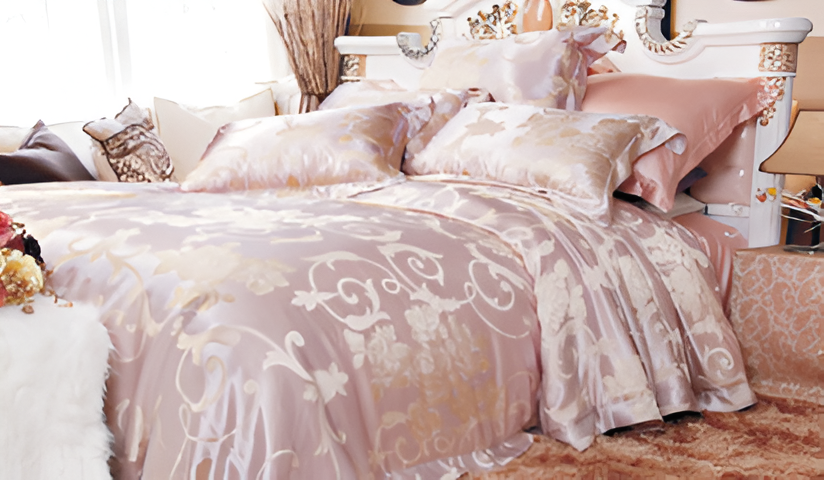
Designed for producing decorative fabrics, upholstery materials, curtain fabrics, sarees, dress materials, home furnishing textiles, and technical fabrics, our machines provide exceptional flexibility and production efficiency. The robust construction, high-speed operation, and low maintenance requirements make our Rapier Jacquard Looms a preferred choice among textile manufacturers across India.
We continuously focus on innovation, quality, and performance to deliver machinery that enhances productivity while reducing operational costs. Every machine undergoes strict quality checks to ensure reliable operation, longer service life, and maximum return on investment for our customers.
Rapier Jacquard Loom Supplier in Surat
As a trusted Rapier Jacquard Loom Supplier in Surat, Iconic Machinery serves textile manufacturers, weaving units, fabric producers, and industrial textile businesses throughout Gujarat, Maharashtra, and various regions of India. We provide advanced weaving solutions backed by technical expertise, competitive pricing, and dependable customer support.
Our extensive product portfolio is designed to accommodate different fabric types, yarn specifications, production capacities, and weaving requirements. Whether you require machinery for fashion fabrics, furnishing textiles, industrial fabrics, or specialized jacquard applications, we offer solutions tailored to your operational goals.
Along with machine supply, we provide installation guidance, operational training, technical consultation, spare parts assistance, and after-sales support to ensure smooth machine performance and uninterrupted production. Our commitment to customer satisfaction has helped us build long-term relationships with textile businesses across major textile hubs.
Rapier Jacquard Loom Trader in Surat
Iconic Machinery is also recognized as a reliable Rapier Jacquard Loom Trader in Surat, offering advanced textile machinery solutions for businesses seeking quality, performance, and affordability. Our industry experience allows us to understand diverse production requirements and recommend the most suitable weaving machinery for each application.
We assist customers in selecting the right loom configuration based on fabric design, production volume, yarn characteristics, and business objectives. Our team works closely with clients to ensure they receive machinery that delivers consistent output, improved efficiency, and long-term operational benefits.
With a strong focus on customer service, technical support, timely delivery, and quality assurance, Iconic Machinery has established itself as a trusted trading partner for Rapier Jacquard Loom Machines in Surat. We continue to support textile manufacturers with reliable machinery solutions that contribute to sustainable growth and enhanced competitiveness in the textile industry.

Contact us
Get in Touch for Textile Machinery Solutions
“Quick response for all machinery inquiries”